
Choosing between homeschool and public school is a big decision. One of the most common questions parents ask is about sports.
Can homeschool kids play sports?
Are public school sports better?
Which option is best for your child?
This guide will help you understand everything in a simple way.
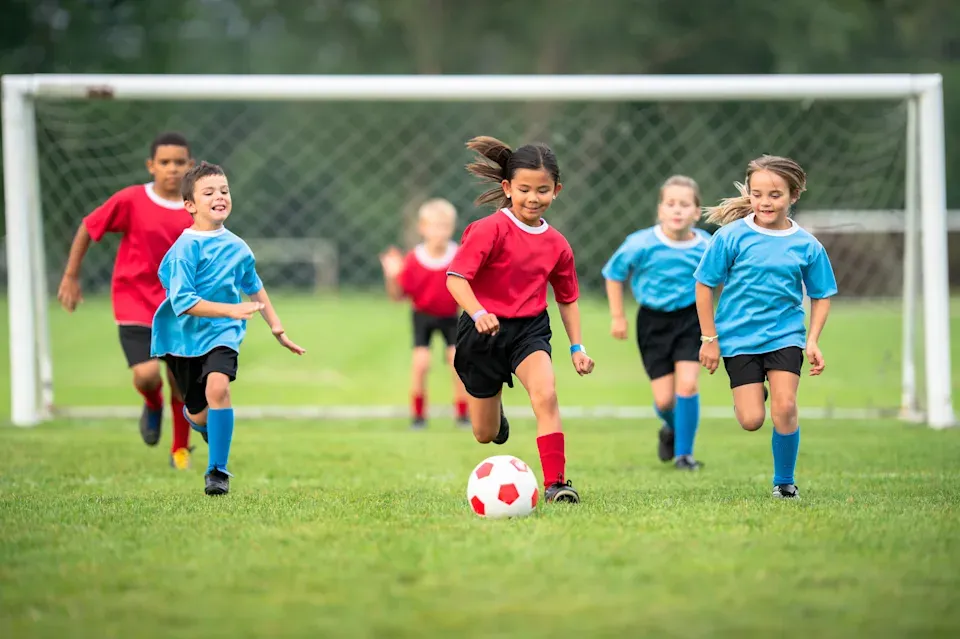
What Are Public School Sports?
Public school sports are team activities offered by schools. These include:
- Football
- Basketball
- Baseball
- Track and field
- Soccer
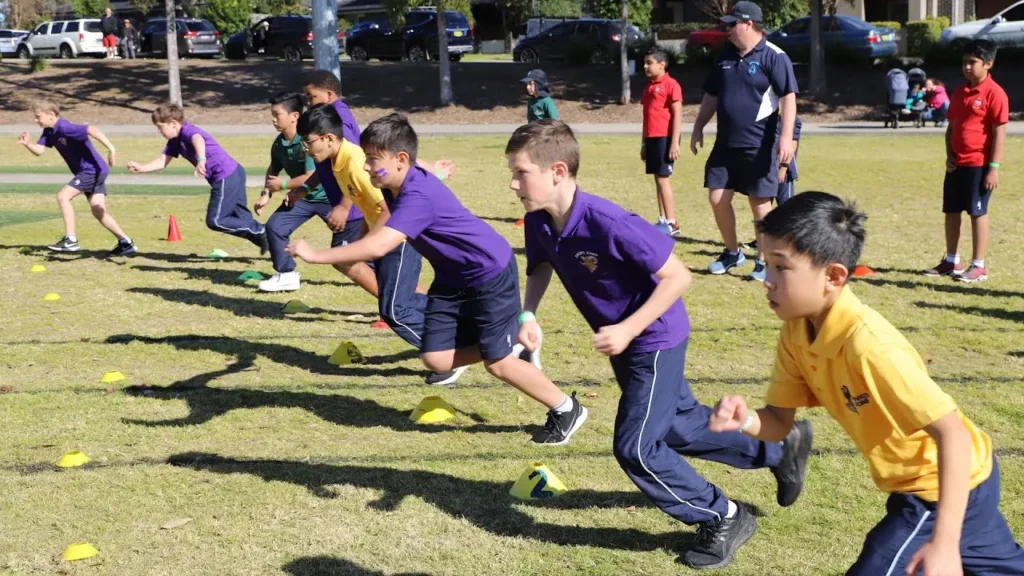
Students practice after school and compete with other schools.
Key Features
- Professional coaches
- Regular competitions
- School facilities
- Team structure
Public school sports are very organized and competitive.
What Are Homeschool Sports?
Homeschool sports are not tied to one school. Instead, students can join:
- Local community leagues
- Private sports clubs
- Travel teams
- Homeschool sports groups
Some homeschool students can also join public school teams, depending on rules.
Can Homeschool Students Play Public School Sports?
Yes, in many cases they can—but it depends on rules.
Many states allow homeschool students to join public school teams through laws often called Tim Tebow laws.
Important Points
- Rules are different in every state
- Some schools allow it, some do not
- You must follow eligibility rules
In most cases, students must:
- Live in the school area
- Show academic progress
- Follow team rules
Key Differences Between Homeschool and Public School Sports
1. Access to Teams
Public School:
- Easy access if your child is enrolled
Homeschool:
- Depends on state laws
- May need approval
2. Competition Level
Public School:
- High competition
- Regular matches
Homeschool:
- Varies by league
- Some teams are less competitive
3. Flexibility
Public School:
- Fixed schedule
- Less flexibility
Homeschool:
- Flexible training time
- Easier to manage studies and sports
4. Social Experience
Public School:
- Daily interaction with teammates
Homeschool:
- Social time depends on activities
- Sports help build friendships
Benefits of Public School Sports
Public school sports offer many advantages:
- Structured Training
Students get coaching and regular practice.
- Team Spirit
Kids learn teamwork and discipline.
- Exposure
Better chances for scholarships and competitions.
- Facilities
Schools provide fields, gyms, and equipment.
Benefits of Homeschool Sports
Homeschool sports also have strong benefits:
- Flexible Schedule
You can plan sports around studies.
- More Options
Kids can try different sports easily.
- Less Pressure
Focus on learning and enjoyment.
- Customized Training
Parents can choose the best programs.
Many homeschool students still compete at high levels and enjoy sports fully.
Challenges Parents Should Know
Homeschool Challenges
- Harder to join school teams in some areas
- Fewer organized leagues
- Need more effort from parents
Public School Challenges
- Busy schedules
- Less flexibility
- More pressure on performance
Other Sports Options for Homeschool Students
If public school sports are not available, there are many choices:
- Community sports programs
- Private coaching academies
- Travel teams
- Homeschool leagues
These options help children stay active and social.
How to Get Your Child Into Sports (Step-by-Step)
Step 1: Check Local Rules
Find out if homeschool students can join school teams.
Step 2: Contact the School
Talk to the coach or athletic director.
Step 3: Prepare Documents
You may need:
- Academic records
- Proof of residence
- Medical forms
Step 4: Join Tryouts
Your child must pass tryouts like other students.
Step 5: Explore Alternatives
If not allowed, join local leagues or clubs.
Which Option Is Better for Your Child?
There is no single best answer.
Choose public school sports if:
- Your child likes competition
- You want structured programs
- You want school-based activities
Choose homeschool sports if:
- You need flexibility
- Your child prefers less pressure
- You want more control over schedule
Frequently Asked Questions (FAQ)
Do homeschool kids miss out on sports?
No. They have many options like leagues, clubs, and sometimes school teams.
Are homeschool athletes less competitive?
Not always. Some compete at very high levels.
Is it hard to join public school sports as a homeschooler?
It depends on your location and school rules.
Do homeschool students need good grades for sports?
Yes. Many programs require academic progress.
Conclusion
Both homeschool and public school sports have good and bad sides.
The best choice depends on your child’s needs, goals, and lifestyle.
The most important thing is this:
Make sure your child stays active, learns teamwork, and enjoys sports.