
Choosing the right school is one of the biggest decisions a parent can make. Many families in the USA are now asking the same question: Is online school right for my child?
Online learning has become more common over the past few years. Some children enjoy learning from home, while others do better in a classroom. Every child is different, so there is no single answer that works for every family.
The good news is that online schools offer many learning options. They can provide flexible schedules, personalized lessons, and a safe learning environment. However, they also require responsibility, good time management, and family support.
In this guide, you will learn how online schools work, their benefits, possible challenges, and the signs that show whether your child may succeed in an online learning program.
What Is an Online School?
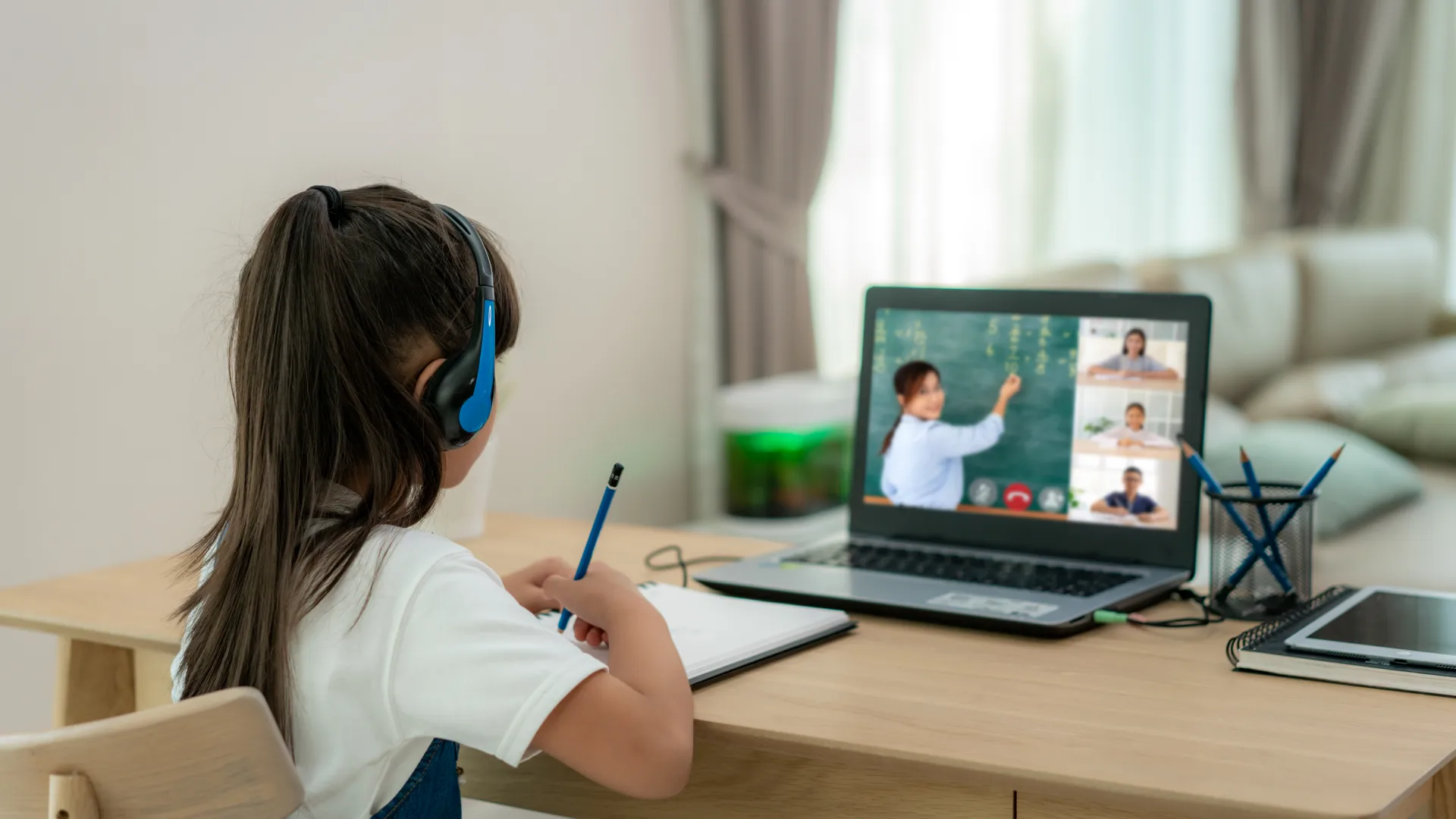
An online school is a school where students complete most or all of their lessons using the internet. Instead of sitting in a traditional classroom every day, students learn from home or another quiet place.
Classes may include:
- Live online lessons with teachers
- Recorded video lessons
- Digital assignments
- Online quizzes and tests
- Virtual discussions with classmates
Students often have access to certified teachers who answer questions, grade assignments, and provide feedback throughout the school year.
Some online schools follow a daily class schedule, while others allow students to study at times that work best for their families.
How Does Online Learning Work?
Although every school is different, most online schools follow a similar process.
Daily Lessons
Students log into a secure learning platform where they can view lessons, homework, and announcements.
Teacher Support
Teachers guide students through lessons, answer questions, and help them stay on track.
Assignments
Students complete homework online and submit it through the learning system.
Tests and Projects
Many schools use online quizzes, writing assignments, presentations, and projects to measure progress.
Parent Involvement
Parents often help younger children stay organized, while older students usually work more independently.
Benefits of Online School
Online education offers many advantages for students and families.
Flexible Learning Schedule
Many online schools allow students to learn at a pace that fits their needs.
This flexibility can help families who:
- Travel often
- Have busy schedules
- Participate in sports
- Work in entertainment or performing arts
- Need medical accommodations
Students can often spend more time on difficult subjects and move faster through topics they already understand.
Personalized Learning
Every child learns differently.
Some students need extra time with math, while others enjoy reading or science.
Online schools often let students review lessons again whenever needed. This helps children understand topics before moving on.
Personalized learning can improve confidence and reduce stress.
Fewer Classroom Distractions
Some children struggle in busy classrooms because of noise and distractions.
Learning from home can create a calmer environment where students focus better on their lessons.
A quiet study space may help students complete work more efficiently.
Better Safety
Many parents appreciate the added safety of learning from home.
Students avoid:
- Long bus rides
- Bullying in hallways
- Classroom disruptions
- Daily commuting
This can create a more comfortable learning experience for some families.
More Family Time
Without daily travel to school, families often have extra time together.
This extra time can be used for:
- Family meals
- Reading together
- Outdoor activities
- Educational trips
- Hobbies
A balanced schedule can support both learning and family life.
Challenges of Online School
While online learning has many benefits, it also comes with challenges.
Knowing these challenges helps parents make informed decisions.
Students Need Self-Discipline
Online learning requires students to manage their own time.
Without a teacher standing nearby, students must remember to:
- Attend classes
- Finish assignments
- Stay organized
- Meet deadlines
Children who struggle with responsibility may need additional support.
Limited Face-to-Face Interaction
Students may not see classmates every day.
Although many schools offer virtual clubs, group projects, and online activities, some children still miss daily in-person friendships.
Parents should look for opportunities that help children build social skills outside of school.
Technology Requirements
Students need reliable technology for successful online learning.
Most families need:
- A computer or laptop
- High-speed internet
- Webcam
- Headphones
- Updated software
Technical problems can sometimes interrupt learning.
Parents May Need to Help More
Younger children often need daily guidance.
Parents may help with:
- Logging into classes
- Organizing assignments
- Creating schedules
- Keeping children focused
Older students usually become more independent over time.
Signs Online School May Be Right for Your Child
Every child learns differently.
Here are some signs that online school could be a good choice.
Your Child Enjoys Independent Learning
Some children naturally like working on their own.
They enjoy reading instructions, completing assignments, and solving problems independently.
These students often adapt well to online education.
Your Child Needs a Flexible Schedule
Children involved in sports, acting, music, or other activities often need learning that fits around their busy lives.
Online school can make balancing education and personal interests much easier.
Your Child Wants to Learn at Their Own Pace
Some students learn quickly.
Others need more time.
Online schools often allow students to spend the time they need on each lesson without feeling rushed.
Your Child Feels Distracted in Traditional Classrooms
Busy classrooms can make it difficult for some students to focus.
If your child learns better in a quiet setting, online learning may provide a better educational experience.
Signs Online School May Not Be the Best Fit
Online learning works well for many students, but it is not the right choice for everyone. Some children learn better in a traditional classroom where they have daily face-to-face support.
Here are a few signs that your child may need a different learning environment.
Your Child Needs Constant Supervision
Some students find it hard to stay focused without someone reminding them what to do next.
If your child often forgets homework, gets distracted easily, or struggles to complete tasks, online school may require more parent involvement.
Your Child Prefers In-Person Learning
Many children enjoy learning with classmates. They like asking questions in person, working on group projects, and taking part in classroom activities.
If your child learns best through face-to-face interaction, a traditional school may be a better fit.
Your Child Struggles With Technology
Most online schools use digital tools every day.
If your child finds computers difficult to use or becomes frustrated with technology, they may need extra support before starting online classes.
Questions to Ask Before Choosing an Online School
Before enrolling your child, take time to learn about the school. Asking the right questions can help you make a confident decision.
Is the School Accredited?
Accreditation shows that the school meets educational standards. It also helps ensure that credits may transfer if your child changes schools in the future.
What Curriculum Does the School Use?
Find out what subjects are offered and whether the curriculum matches your child’s grade level and learning goals.
Ask if the school provides:
- Math
- Science
- English Language Arts
- Social Studies
- Electives
- Advanced courses
- College preparation
What Support Is Available?
A good online school should provide support for both students and parents.
Ask about:
- Certified teachers
- Academic advisors
- Technical support
- Tutoring
- Special education services
- Counseling
How Are Students Assessed?
Different schools measure progress in different ways.
Ask whether students complete:
- Online quizzes
- Unit tests
- Essays
- Projects
- Presentations
- State assessments
Understanding how progress is tracked helps parents know what to expect.
Are There Social Activities?
Learning is not only about academics.
Many online schools offer:
- Student clubs
- Virtual field trips
- Talent shows
- Science fairs
- Student government
- Community events
These activities help students build friendships and communication skills.
How to Help Your Child Succeed in Online School
Parents play an important role in helping children succeed.
Here are a few simple ways to support your child’s learning.
Create a Daily Routine
A regular schedule helps children know when it is time to study, take breaks, and complete assignments.
Keeping the same routine each day builds healthy learning habits.
Set Up a Quiet Study Space
Choose a clean and quiet place where your child can focus.
A good learning space should have:
- A desk or table
- Comfortable chair
- Good lighting
- Reliable internet
- School supplies nearby
Stay Involved
Even older students benefit when parents check in regularly.
Ask questions like:
- What did you learn today?
- Do you need help with anything?
- Are all assignments finished?
Simple conversations can keep students motivated.
Encourage Healthy Screen Habits
Students spend time looking at a computer during online classes.
Help them stay healthy by encouraging:
- Short breaks
- Stretching
- Outdoor play
- Reading printed books
- Family activities away from screens
Balance is important for both learning and well-being.
Common Myths About Online School
Many parents have questions because they hear different opinions about online education.
Let’s clear up some common myths.
Myth 1: Online School Is Easier
This is not true.
Students still complete assignments, take tests, and meet academic standards.
Good online schools expect students to work hard.
Myth 2: Students Learn Alone
Online students are not learning by themselves.
Teachers provide instruction, answer questions, and offer feedback throughout the school year.
Many classes also include live discussions and group activities.
Myth 3: Colleges Do Not Accept Online School Graduates
Many accredited online schools prepare students for college.
Graduates attend colleges, universities, and career training programs just like students from traditional schools.
How to Decide if Online School Is Right for Your Child
Every family has different needs.
When making your decision, think about:
- Your child’s learning style
- Academic goals
- Daily schedule
- Level of independence
- Need for flexibility
- Social preferences
- Family support
The best school is the one where your child can learn, grow, and feel confident.
Taking time to compare different options will help you choose the right educational path.
Frequently Asked Questions
Is online school a good choice for every child?
No. Some children thrive in online learning, while others do better in a traditional classroom. It depends on each child’s learning style, personality, and support system.
Do online school students receive a real education?
Yes. Accredited online schools follow academic standards and provide instruction from qualified teachers.
Can online school help struggling students?
For some students, yes. Smaller distractions, flexible pacing, and personalized support can improve learning.
Do parents need to teach the lessons?
Usually, teachers provide the instruction. Parents mainly help younger children stay organized and motivated.
What equipment is needed for online school?
Most students need:
- A computer or laptop
- Reliable internet connection
- Webcam
- Microphone
- Headphones
Some schools may also recommend a printer or other learning materials.
Can students make friends in online school?
Yes. Many online schools offer virtual clubs, group projects, live classes, and social events that allow students to connect with their peers.
Conclusion
So, is online school right for my child? The answer depends on your child’s unique needs, learning style, and goals.
Online school can be an excellent choice for students who enjoy flexible learning, need a personalized pace, or benefit from studying in a quieter environment. It also gives families more control over daily schedules while maintaining access to quality education.
Before making a decision, compare different programs, ask questions about accreditation, curriculum, teacher support, and student services. Taking the time to research your options will help you choose a learning environment where your child can succeed both academically and personally.
If you’re exploring online education, look for a trusted program that offers experienced teachers, a strong curriculum, flexible learning options, and ongoing support for both students and parents. Choosing the right school today can help build your child’s confidence and prepare them for future success.