
In recent years, education has changed a lot. One of the most popular methods today is hybrid learning. It combines online and in-person teaching to give students flexibility and better learning experiences. This guide explains what hybrid learning is, how it works, and how students can benefit from it.
What Is Hybrid Learning?
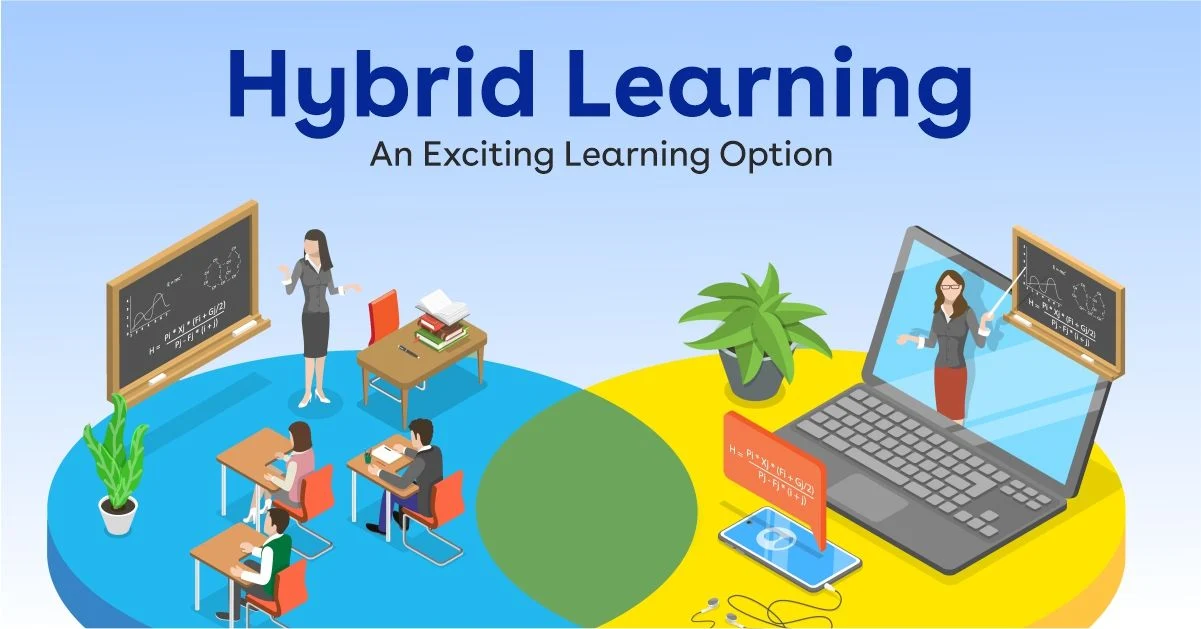
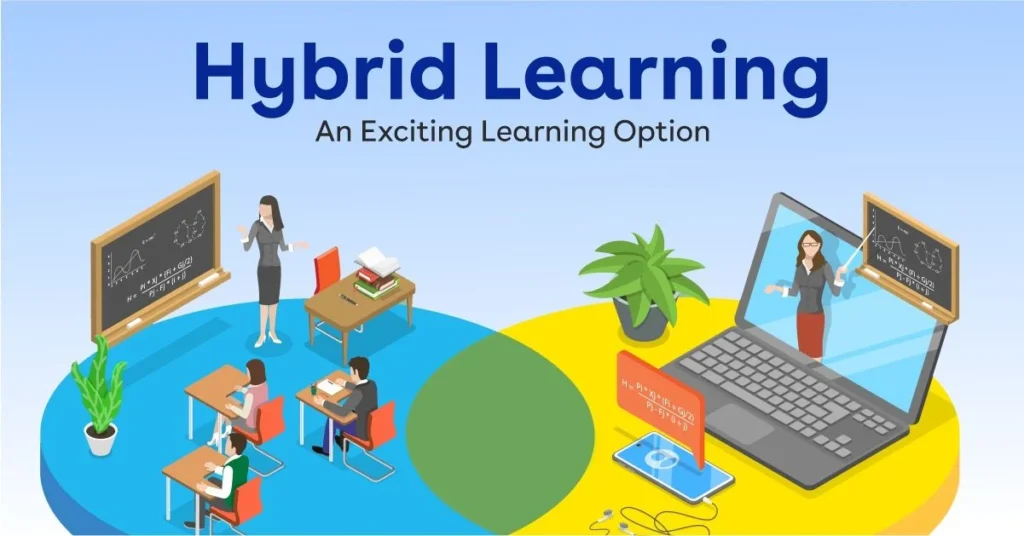
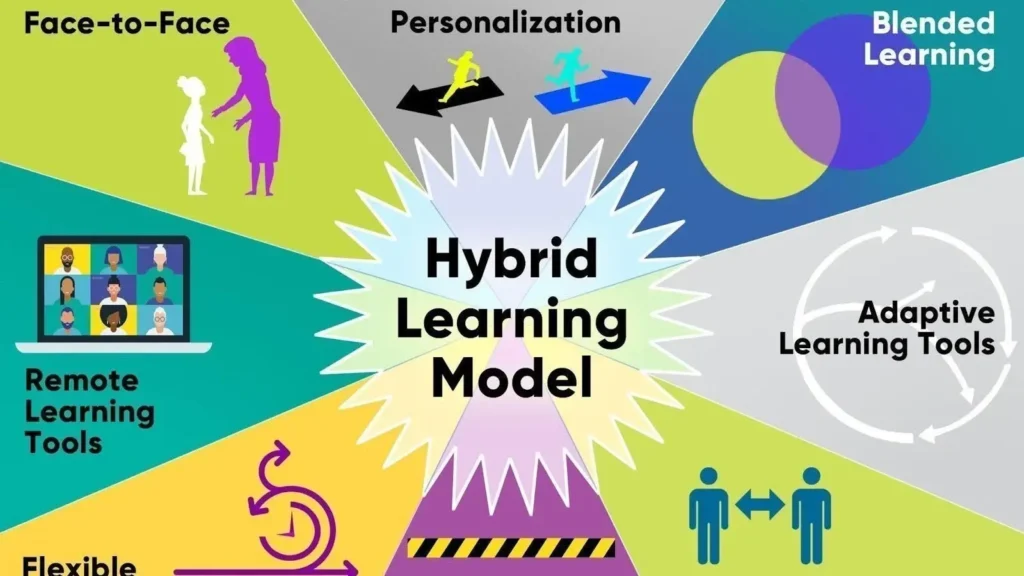
Hybrid learning is a type of education that mixes online learning with traditional classroom learning. Students attend some classes in person while completing other lessons or assignments online. This allows students to learn at their own pace while still interacting with teachers and classmates in real life.
How Hybrid Learning Works
Hybrid learning can be organised in many ways depending on the school or program. Here are the main formats:
1. Flipped Classroom Model
In this model, students study lessons online before coming to class. Classroom time is then used for discussions, projects, and hands-on activities. This helps students understand and apply knowledge better.
2. Rotational Model
Some programs rotate students between in-person and online sessions. For example, students may attend school physically on some days and learn online on others. This method is often used in schools with limited resources or large student groups.
3. Flex Model
Flex model programs mostly rely on online learning. Students can choose when and where to study. Teachers are available for guidance, help, and live sessions. This model is popular in private schools and online academies.
4. Enriched Virtual Model
In enriched virtual programs, students attend school for special lessons and do most of their work online. It is suitable for students who need extra support but want flexible schedules.
Benefits of Hybrid Learning
Hybrid learning provides several benefits for both students and educators:
1. Flexibility
Students can learn at their own pace, making it easier to balance school, work, and personal life.
2. Personalized Learning
Online platforms allow teachers to track progress and provide customized lessons based on student needs.
3. Improved Engagement
Combining interactive online tools and hands-on classroom activities keeps students more engaged and motivated.
4. Access to Resources
Students can access learning materials anytime, including videos, quizzes, and online libraries. This helps reinforce learning outside the classroom.
5. Safe Learning Environment
During emergencies or health concerns, hybrid learning allows students to continue education from home without missing lessons.
Who Can Benefit from Hybrid Learning?
Hybrid learning is suitable for many types of students:
- Working students: Can attend classes while managing part-time jobs.
- Students with health concerns: Can reduce time in crowded classrooms.
- Self-paced learners: Can review online lessons repeatedly.
- Schools and colleges: Can manage resources more efficiently and reduce overcrowding.
Challenges of Hybrid Learning
While hybrid learning has many benefits, it also comes with some challenges:
- Technical requirements: Students need a reliable internet connection and devices.
- Self-discipline: Online learning requires good time management and motivation.
- Teacher training: Educators must learn new tools and methods for online teaching.
- Social interaction: Limited in-person time may affect peer communication.
Schools and programs address these challenges by providing training, support, and blended schedules that ensure students get the best experience.
Tips for Choosing a Hybrid Learning Program
When looking for a hybrid learning program, consider:
- Accreditation: Make sure the school or program is recognized by official authorities.
- Curriculum Quality: Look for programs with well-structured online and classroom lessons.
- Technology Support: Ensure they provide easy-to-use platforms and technical help.
- Teacher Interaction: Check if teachers are available for guidance and feedback.
- Student Feedback: Reviews and testimonials can show how effective the program is.
The Future of Hybrid Learning
Hybrid learning is becoming increasingly popular worldwide. Schools, colleges, and private institutions are adopting blended approaches to provide flexible, personalized, and engaging education. As technology continues to improve, hybrid learning will offer more tools for students to learn effectively, no matter where they are.
Conclusion
Hybrid learning is more than just mixing online and classroom lessons. It is a flexible and effective approach that caters to different learning styles and needs. By choosing the right program and following tips for success, students can enjoy a balanced and productive learning experience. Whether you are a student, parent, or educator, understanding hybrid learning helps you make better decisions for the future of education.