
Online learning has changed the way students learn and the way parents support their education. One question many families ask before choosing an online school is, “Can parents monitor online classes?”
The simple answer is yes, but the level of involvement depends on the student’s age, the school’s policies, and the learning format.
Parents can usually monitor their child’s progress, review assignments, communicate with teachers, and help build good learning habits. However, there is also a balance between supporting students and allowing them to become independent learners.
This guide explains how parents can monitor online classes, what tools schools provide, and how families can help students succeed without taking over the learning process.
Why Parent Involvement Matters
Parent involvement plays an important role in a child’s education, especially in online learning.
When parents stay informed, students are more likely to:
- Complete assignments on time
- Attend live classes regularly
- Stay organized
- Ask for help when needed
- Build confidence
- Improve academic performance
Support from home creates a positive learning environment and helps students stay motivated throughout the school year.
Can Parents Watch Live Online Classes?
In many cases, parents can observe parts of their child’s online learning, especially for younger students.
For elementary students, parents often:
- Help children log in
- Stay nearby during lessons
- Assist with technical issues
- Encourage participation
- Answer simple questions
As students get older, schools usually encourage more independence. Parents may still monitor progress but are often asked to avoid interrupting live instruction unless necessary.
Each school has its own policy, so parents should review the guidelines before attending or observing virtual classes.
Ways Parents Can Monitor Online Classes
There are many ways parents can stay involved without disrupting learning.
Check the Parent Portal
Many online schools provide a secure parent portal where families can monitor academic progress.
Parents can often view:
- Attendance
- Grades
- Assignment completion
- Teacher comments
- Upcoming deadlines
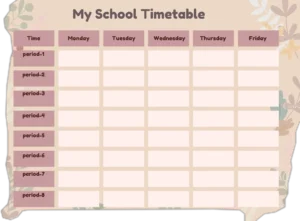
- Class schedules
Checking the portal regularly helps parents identify concerns before they become bigger problems.
Review Assignments
Parents can ask their child to explain:
- What they learned today
- Which assignments are due
- What projects they are working on
- Which subjects they enjoy
- Where they may need extra help
Simple conversations help parents stay connected to their child’s education.
Monitor Daily Learning Habits
Parents do not need to watch every lesson.
Instead, they can observe whether their child:
- Starts school on time
- Completes assignments
- Takes appropriate breaks
- Stays focused
- Uses learning time wisely
Healthy daily routines often lead to better academic success.
Communicate With Teachers
Teachers are valuable partners in online education.
Parents should contact teachers if they notice:
- Falling grades
- Missing assignments
- Attendance concerns
- Technical problems
- Learning difficulties
Regular communication helps everyone work together to support the student.
How Parent Involvement Changes by Grade Level
Children need different levels of support as they grow.
Elementary School
Younger students usually need the most help.
Parents may assist with:
- Logging into classes
- Reading instructions
- Managing schedules
- Staying focused
- Completing simple technology tasks
Daily supervision is often helpful during the early grades.
Middle School
Middle school students begin developing greater independence.
Parents should:
- Monitor assignments
- Review grades
- Encourage responsibility
- Discuss learning goals
- Check attendance
Students should gradually take more ownership of their education.
High School
High school students should be responsible for most of their daily learning.
Parents can still:
- Review academic progress
- Encourage time management
- Communicate with teachers when needed
- Discuss college or career goals
- Offer emotional support
This balance helps prepare students for higher education and future careers.
Benefits of Monitoring Online Classes
When parents stay involved, students often experience many benefits.
These include:
- Better attendance
- Improved grades
- Stronger study habits
- Increased confidence
- Better communication
- Early identification of learning challenges
- Greater accountability
Supportive involvement encourages students without limiting their independence.
How Much Monitoring Is Too Much?
While involvement is important, excessive monitoring can sometimes make students feel pressured or less confident.
Parents should avoid:
- Completing assignments for their child
- Answering questions during live classes
- Interrupting teachers
- Constantly checking every activity
- Taking control of daily learning
Instead, focus on encouraging responsibility, asking questions, and providing guidance when needed.
Creating a Positive Learning Environment
A comfortable learning space helps students stay focused.
Parents can create a productive environment by providing:
- A quiet study area
- Reliable internet
- Good lighting
- Comfortable seating
- School supplies
- A regular daily schedule
These simple changes can improve concentration and reduce distractions.
Technology Tools That Help Parents Monitor Online Learning
Most online schools use digital tools that make it easy for parents to stay informed about their child’s education.
These tools may include:
Parent Portal
A parent portal is one of the most useful features of an online school. It gives parents access to important information in one place.
Parents can often view:
- Attendance records
- Current grades
- Assignment status
- Teacher feedback
- Class schedules
- Upcoming deadlines
- Progress reports
Checking the parent portal a few times each week helps families stay updated without needing to contact teachers frequently.
Learning Management System (LMS)
Many online schools use a Learning Management System (LMS) to organize lessons and coursework.
Depending on the school, parents may be able to see:
- Completed lessons
- Upcoming assignments
- Quiz results
- Course materials
- Student activity
- Learning progress
This makes it easier to understand what students are learning each week.
Email and Notifications
Many schools send automatic updates to parents.
These notifications may include:
- Missing assignments
- New grades
- Attendance alerts
- Teacher announcements
- Upcoming tests
- School events
Reading these updates regularly helps parents stay informed and respond quickly if concerns arise.
Building a Strong Partnership With Teachers
Successful online learning depends on teamwork between parents, teachers, and students.
Parents can build a positive relationship with teachers by:
- Responding to emails promptly
- Attending virtual parent-teacher conferences
- Asking questions respectfully
- Sharing concerns early
- Celebrating student achievements
- Working together to solve learning challenges
Good communication creates a stronger support system for students.
Encouraging Independent Learning
One of the goals of online education is to help students become independent learners.
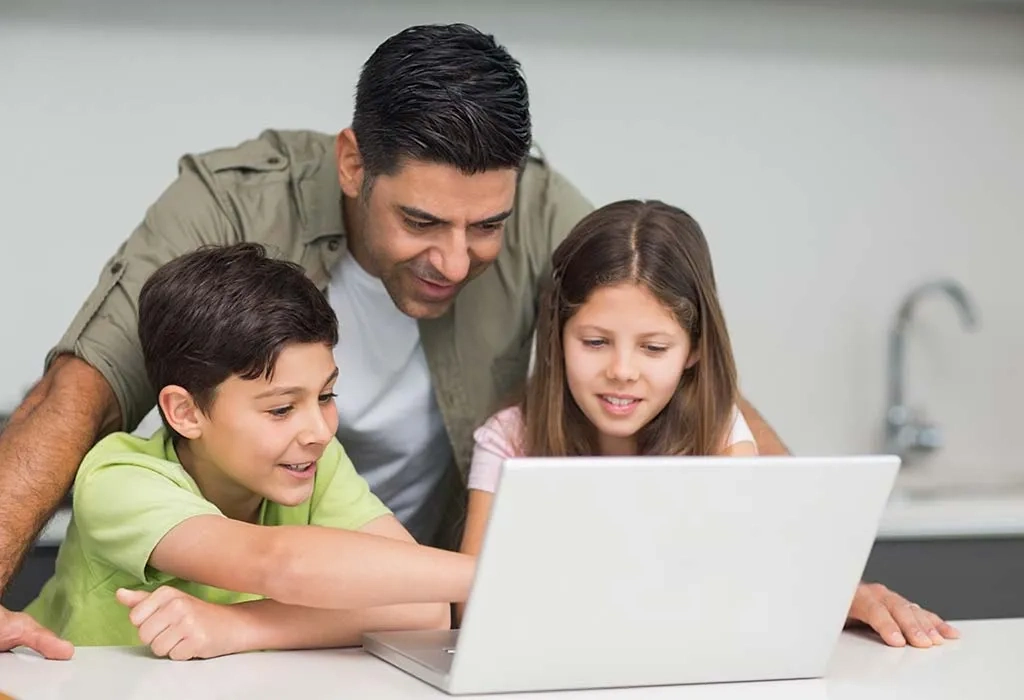
Parents can encourage independence by allowing children to:
- Complete assignments on their own
- Make daily schedules
- Organize school materials
- Ask teachers for help
- Solve simple problems independently
- Set personal learning goals
Offering guidance instead of giving answers helps children build confidence and responsibility.
Signs Your Child May Need More Support
Even motivated students may face challenges during online learning.
Watch for signs such as:
- Frequently missing assignments
- Falling grades
- Skipping live classes
- Losing interest in school
- Feeling frustrated with lessons
- Trouble staying organized
- Avoiding schoolwork
- Difficulty managing time
If you notice these signs, talk with your child and contact their teacher to discuss possible solutions.
Common Mistakes Parents Should Avoid
Parents want the best for their children, but some habits can make online learning more difficult.
Avoid these common mistakes:
Doing the Work for Your Child
Helping is important, but students should complete their own assignments to build knowledge and confidence.
Watching Every Minute of Class
Students need room to participate independently. Constant supervision may reduce confidence and distract from learning.
Ignoring School Communication
Emails, announcements, and teacher messages often contain important information about assignments, schedule changes, and student progress.
Waiting Too Long to Ask for Help
If your child struggles academically or emotionally, reach out to the teacher early. Small concerns are often easier to solve before they become larger problems.
Tips for Successfully Monitoring Online Classes
Here are simple ways to stay involved without overwhelming your child.
Create a Daily Routine
A consistent schedule helps students stay focused and organized.
Ask About the School Day
Instead of asking only, “Did you finish your work?” try questions like:
- What did you learn today?
- What was your favorite lesson?
- Did anything seem difficult?
- Do you need help with anything?
These conversations encourage children to reflect on their learning.
Review Progress Weekly
Choose one day each week to check:
- Grades
- Attendance
- Completed assignments
- Upcoming deadlines
- Teacher feedback
Regular reviews help prevent surprises later.
Celebrate Effort
Recognize hard work, improvement, and responsibility—not just perfect grades.
Positive encouragement helps students stay motivated.
Parent Monitoring Checklist
Use this checklist to support your child’s online learning.
✔ Check the parent portal every week.
✔ Review attendance records.
✔ Monitor assignment completion.
✔ Encourage regular study habits.
✔ Communicate with teachers when needed.
✔ Create a quiet learning space.
✔ Help your child manage time.
✔ Encourage questions and curiosity.
✔ Support independence.
✔ Celebrate progress and achievements.
Benefits of Healthy Parent Involvement
When parents stay involved in a balanced way, students often experience:
- Better attendance
- Higher assignment completion
- Improved organization
- Stronger communication skills
- Greater confidence
- Better time management
- Increased motivation
- More consistent academic progress
The goal is not to manage every detail but to provide encouragement, structure, and support.
Frequently Asked Questions
Can parents watch their child’s online classes?
Many online schools allow parents to observe learning, especially for younger students. However, parents are generally expected to avoid interrupting live instruction. Each school has its own guidelines.
Can parents see grades in online school?
Yes. Most online schools provide a secure parent portal where families can view grades, attendance, completed assignments, and teacher feedback.
How often should parents monitor online learning?
Checking your child’s progress several times a week is usually enough. Younger students may need daily support, while older students often benefit from more independence.
Should parents help with homework?
Parents should guide and encourage their children, but students should complete their own work. This helps them build confidence, problem-solving skills, and responsibility.
What should parents do if their child struggles in online classes?
Start by talking with your child about the challenge. Then contact the teacher to discuss available support, such as tutoring, extra practice, or additional instruction.
Can parents communicate with online teachers?
Yes. Most online schools encourage parents to communicate through email, phone calls, virtual meetings, or parent-teacher conferences.
Conclusion
Parents can play an important role in online learning without needing to supervise every lesson. By using tools like parent portals, staying in touch with teachers, reviewing assignments, and creating a supportive home environment, families can help students stay engaged and succeed academically.
The best approach is to balance guidance with independence. Younger students may need daily support, while older students benefit from taking more responsibility for their own learning. When parents monitor progress, encourage good habits, and communicate regularly with teachers, students are better prepared to achieve their educational goals and grow into confident, independent learners.