

Finding out that a student is missing high school credits can feel stressful for everyone involved. Students may feel anxious about graduation, while parents may worry about delays, college plans, or long-term consequences.
The most common question is:
Can you graduate high school with missing credits?
In most cases, students must complete all required credits to receive a diploma. However, there are clear solutions and structured pathways to recover missing credits and stay on track.
This complete guide explains graduation requirements, what happens if credits are missing, and the best options available for both students and parents.
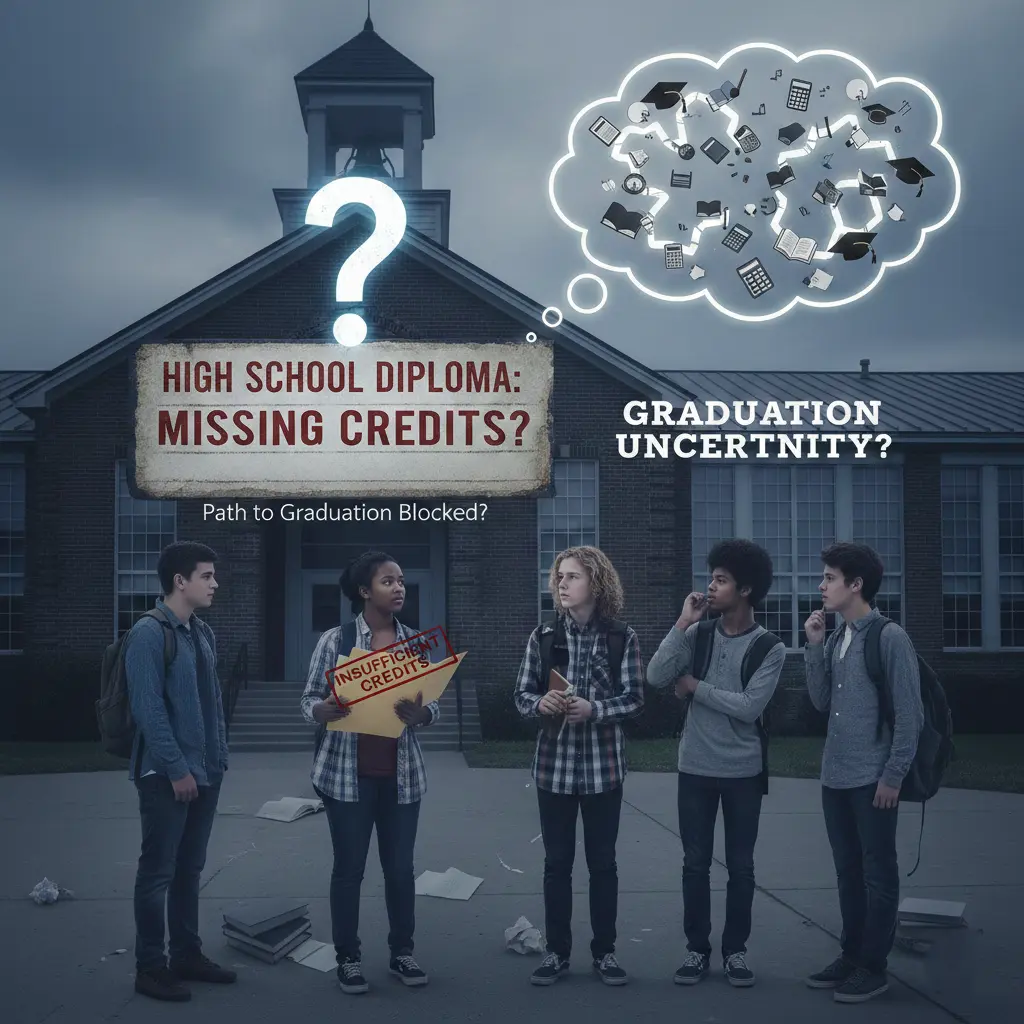
Understanding High School Graduation Requirements
Every state and school district sets its own graduation requirements. Most high schools require students to earn between 20 and 26 credits in specific subject areas.
Typical Required Credits Include:
- English (usually 4 credits)
- Math (3–4 credits)
- Science (3–4 credits)
- Social Studies (3–4 credits)
- Physical Education
- Electives
If a required core subject credit is missing, a diploma is generally not awarded until that requirement is met.
Why Students Fall Behind on Credits
Students can fall short of graduation credits for many reasons:
- Failing a course
- Attendance issues
- Illness or medical emergencies
- Family challenges
- Transferring schools with different requirements
- Difficulty adjusting to online learning
Understanding the reason behind the missing credit helps determine the best recovery plan.
Can You Graduate High School If You’re Missing Credits?
In Most Cases: No
Students must meet all credit requirements before receiving a diploma.
However, missing credits does not mean graduation is impossible. It simply means action is needed.
Step 1: Request a Credit Audit Immediately
Both students and parents should meet with a school counselor as soon as possible.
Ask for:
- An updated transcript
- A list of completed credits
- A breakdown of missing requirements
- GPA status
- Timeline options
A credit audit provides clarity and prevents last-minute surprises.
Credit Recovery Options for High School Students
If credits are missing, schools usually offer one or more of the following solutions.
1. Online Credit Recovery Programs
Online programs allow students to retake failed courses through digital platforms.
Benefits:
- Flexible scheduling
- Self-paced learning
- Focus only on failed subjects
- Potential for accelerated completion
Online credit recovery is often one of the fastest solutions, especially for motivated students. Parents should confirm the program is district-approved and accredited.
2. Summer School
Summer school allows students to retake courses during break.
Advantages:
- Structured classroom setting
- Direct teacher support
- Short completion timeline
Summer school is ideal for students who need only one or two credits.
3. In-School Credit Recovery Classes
Some schools offer dedicated recovery periods during the regular academic year.
Students:
- Attend a scheduled class
- Complete computer-based modules
- Receive teacher supervision
This option keeps students on campus and within their current school system.
4. Extended-Year Enrollment (Fifth Year of High School)
If multiple credits are missing, students may stay an additional semester or year.
Although it may feel disappointing, this option:
- Protects diploma eligibility
- Prevents rushed decisions
- Allows GPA improvement
- Maintains traditional diploma status
For many students, this is the most stable long-term solution.
5. Alternative High Schools
Alternative schools offer smaller class sizes and personalized learning plans.
These schools often help students who:
- Struggled in traditional settings
- Need additional academic support
- Require flexible scheduling
Can Students Walk at Graduation With Missing Credits?
Policies vary by school.
Some schools allow students to participate in the ceremony but withhold the official diploma until credits are completed.
Always confirm with school administration before assuming eligibility.

How Long Does Credit Recovery Take?
The timeline depends on:
- Number of credits needed
- Student motivation
- Program format
Accelerated programs may allow students to complete one semester credit in 4–8 weeks. Students missing multiple credits may need a full semester or longer.
Will Colleges Accept Credit Recovery Courses?
Yes, if:
- The courses are accredited
- They appear on official transcripts
- Graduation requirements are fully met
Colleges typically care more about final transcripts and overall improvement than the fact that credit recovery was used.
Emotional Impact: Supporting Students Through the Process
Missing credits can impact confidence and motivation.
For Students:
- Focus on solutions, not blame
- Create a weekly study schedule
- Stay consistent
- Ask for help when needed
For Parents:
- Avoid panic or harsh criticism
- Encourage open communication
- Stay involved in planning
- Monitor progress regularly
Support and accountability together lead to better outcomes.
Common Mistakes to Avoid
- Waiting until senior year to address missing credits
- Assuming graduation will “work itself out”
- Enrolling in unapproved online programs
- Ignoring counselor advice
- Failing to track progress
Early action makes recovery easier and less stressful.
FAQs
Can you graduate high school if you are one credit short?
Typically no, but the missing credit can often be completed through summer school or online recovery.
Is credit recovery easier than regular classes?
It focuses on required standards, but students must still demonstrate understanding and pass assessments.
Can students recover multiple credits at once?
Yes, depending on workload and program approval.
Will missing credits delay college?
If resolved quickly, college plans may remain on track.
What if my child refuses to participate in recovery?
Open communication, counselor involvement, and structured planning are essential.
Conclusion
Missing high school credits can feel overwhelming, but it is a fixable problem.
With early intervention, structured credit recovery options, and strong communication between students, parents, and counselors, graduation remains within reach.
The Key Steps Are:
- Get accurate information
- Choose an approved recovery option
- Stay consistent
- Monitor progress
Graduation is not just about finishing classes, it’s about persistence and problem-solving. If action is taken now, a diploma is still achievable.