

A virtual academy is an online school or learning program that delivers education through the internet instead of a physical classroom. Students attend classes, complete assignments, interact with teachers, and access learning materials through a digital platform. Virtual academies function much like traditional schools, but everything—from lessons to assessments is done online.
Over the past decade, virtual academies have grown significantly as more students, families, and working adults look for flexible and accessible learning options. Whether full-time or part-time, these online schools provide a structured academic experience with real teachers, organized curriculum, and support services.
This guide breaks down what a virtual academy is, how it works, who it serves, and what students can expect.

What Is a Virtual Academy?
A virtual academy is a fully online educational institution that offers structured learning programs similar to traditional schools. Students can complete their entire education online, including:
- Daily lessons
- Homework
- Exams
- Discussions
- Projects
Instead of attending classes on campus, students log into a secure online portal where teachers post assignments, host lectures, and provide feedback.
Virtual academies can serve:
- K–12 students
- College students
- Adult learners
- Working professionals
Some programs are part of public school systems, while others operate as private or independent online institutions.
How Virtual Academies Work
Although students learn from home, virtual academies are not informal or unstructured. Most operate with a clear curriculum, certified teachers, and academic expectations similar to traditional schools.
Here’s what the learning experience usually includes:
1. Online Lessons
Students access lessons through videos, readings, interactive modules, or live virtual sessions.
2. Teacher Interaction
Even though learning happens online, students still have access to licensed teachers who:
- Answer questions
- Grade assignments
- Lead discussions
- Provide support
- Monitor progress
Teachers may communicate through video calls, messaging apps, email, or scheduled virtual office hours.
3. Assignments and Assessments
Homework, quizzes, essays, and exams are completed and submitted through the school’s digital platform. Some assessments may be timed or monitored online.
4. Learning Management System (LMS)
Students use an online platform such as Canvas, Google Classroom, Schoology, Blackboard, or a custom portal. The LMS organizes:
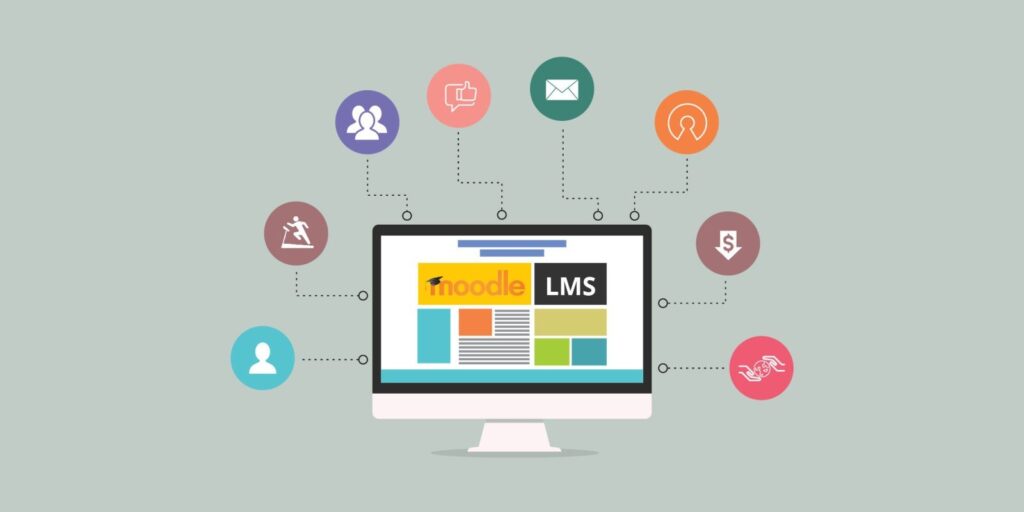
- Course materials
- Schedules
- Grades
- Communications
- Virtual classrooms
5. Attendance and Participation
Depending on the academy, attendance may be tracked through:
- Logging into classes
- Completing assignments
- Participating in live sessions
- Checking in with teachers
Virtual academies often blend structured routines with flexible scheduling to meet a variety of learning needs.
Types of Virtual Academies
Virtual academies can differ by purpose, grade level, and structure. The main types include:
1. K–12 Virtual Academies
These are often part of public or charter school systems and offer full-time online education for:
- Elementary students
- Middle school students
- High school students
They follow state-approved curriculum and meet graduation requirements.
2. College Virtual Academies
Some institutions offer degree programs entirely online, making it possible for students to:
- Earn associate degrees
- Complete bachelor’s programs
- Study for master’s degrees
3. Adult Learning Virtual Academies
These programs offer:
- High school completion
- Career training
- Job-skills courses
- Professional certifications
4. Specialized Virtual Academies
These schools focus on specific subjects or goals, such as:
- STEM programs
- Arts-based curriculum
- Gifted and advanced learning
- Credit recovery
- Homeschool support
Who Benefits from Virtual Academies?
Virtual academies serve a wide range of learners. They are especially helpful for:
Students Who Need Flexibility
Some students have families, jobs, or personal commitments that make traditional schooling difficult.
Students Who Prefer a Personalized Pace
Online learning lets some students move faster or slower depending on their needs.
Students With Health or Mobility Challenges
A virtual environment provides access to education without physical barriers.
Students Seeking Alternative Learning Environments
Some learners perform better outside crowded classrooms or high-pressure school environments.
Traveling or Relocation-Prone Families
Military families, athletes, performers, or frequent travelers often choose virtual learning for consistency.
Benefits of a Virtual Academy
Virtual academies offer several advantages that make them appealing to a wide range of learners.
1. Flexible Scheduling
Students can often choose when to study, which allows them to balance school with other responsibilities.
2. Learn from Anywhere
As long as there is internet access, students can complete coursework from any location.
3. Self-Paced Options
Some programs allow students to progress at their own speed, which is helpful for independent learners.
4. Reduced Distractions
Learning from home may help students focus better compared to crowded classrooms.
5. More Personalized Support
Online teachers often provide individualized feedback, and many programs offer one-on-one virtual help.
Challenges of Virtual Academies
While virtual schooling can be effective, it also comes with challenges.
1. Requires Self-Motivation
Students need discipline to stay on schedule and complete assignments without in-person reminders.
2. Screen Time
Long hours on a device can cause fatigue if not balanced with breaks.
3. Less Social Interaction
Students may need extracurricular activities or community programs to meet peers and develop social skills.
4. Technology Dependence
A reliable device and internet connection are essential for successful online learning.
5. Parent or Guardian Involvement (K–12)
Younger learners may need consistent support at home.
How Virtual Academies Grade and Evaluate Students
Assessment methods vary, but most programs evaluate students through:
- Weekly assignments
- Quizzes and tests
- Projects
- Discussion posts
- Participation in virtual sessions
- Research papers
Some academies use proctored exams or require video submissions to verify student work.
What to Expect as a Student in a Virtual Academy
Students can expect:
- A structured curriculum
- Regular communication with teachers
- Digital textbooks and resources
- A mix of live and recorded lessons
- Clear due dates and attendance expectations
- Academic support services such as tutoring or counseling
Although learning happens online, the educational experience is designed to be engaging, interactive, and well-organized.
Frequently Asked Questions (FAQs)
Q1: Is a virtual academy the same as homeschooling?
No. A virtual academy provides certified teachers, structured lessons, and grading. Homeschooling is parent-led and does not follow the same structure unless parents choose a curriculum.
Q2: Do virtual academies follow regular school calendars?
Most do. Students usually follow the traditional school year, though some offer year-round or flexible scheduling.
Q3: Are virtual academy diplomas recognized?
Yes. Diplomas from accredited virtual academies are recognized just like those from traditional schools.
Q4: Do students still interact with teachers?
Yes. Interaction happens through live classes, messaging, virtual meetings, and feedback on assignments.
Q5: Can virtual academy students join extracurricular activities?
Some programs offer virtual clubs, academic competitions, and community-based events. Opportunities vary by school.
Conclusion
A virtual academy is a modern approach to education that brings structured learning directly to students through an online environment. These programs offer flexibility, accessibility, and individualized support, making them a valuable option for many learners. Although they come with challenges, virtual academies can provide a strong and effective educational experience when students have the right tools and support.